


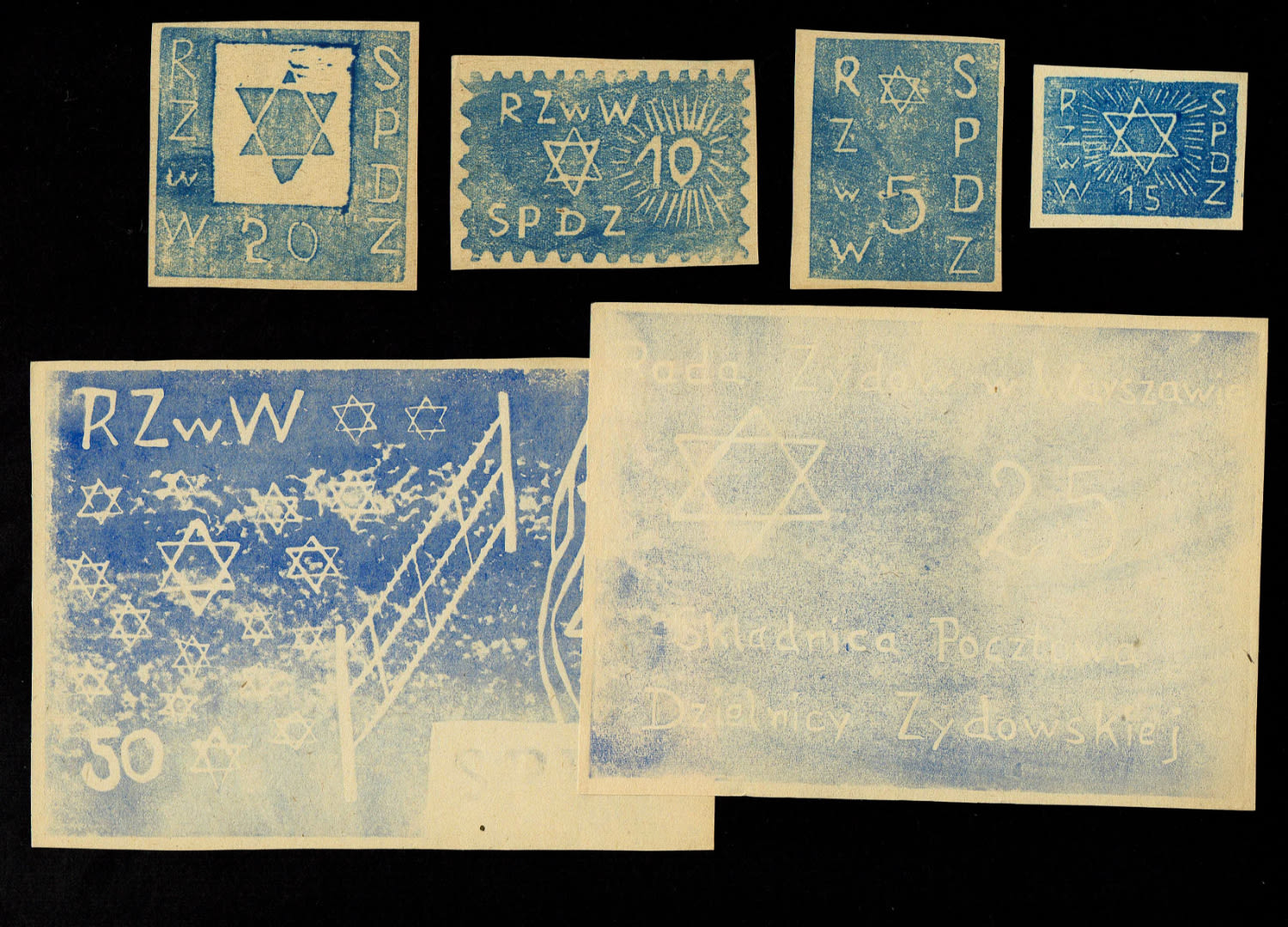
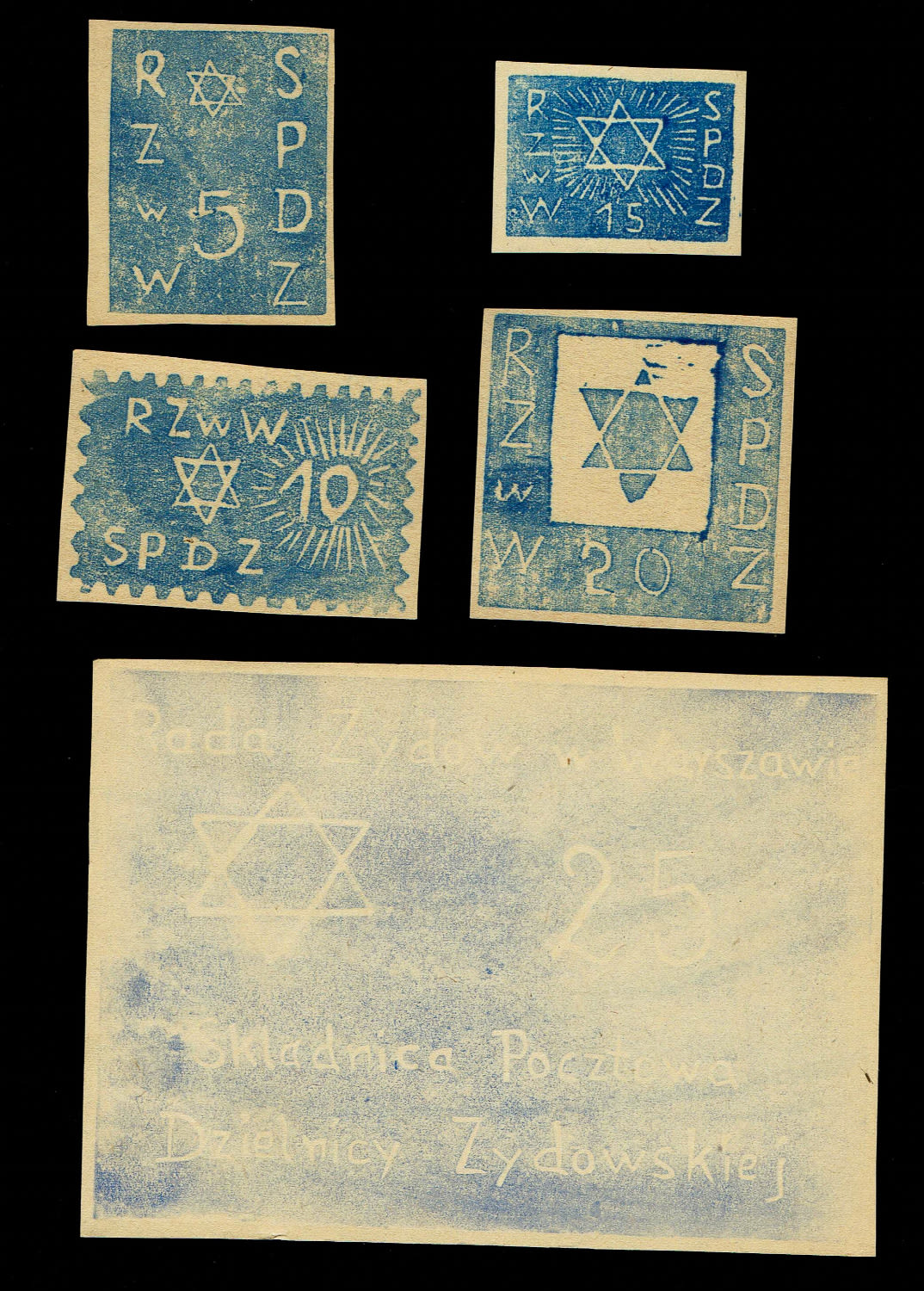
Holocaust concentration camps money - Poland - Warsaw, banknote set of ghetto warsaw. One of the ...
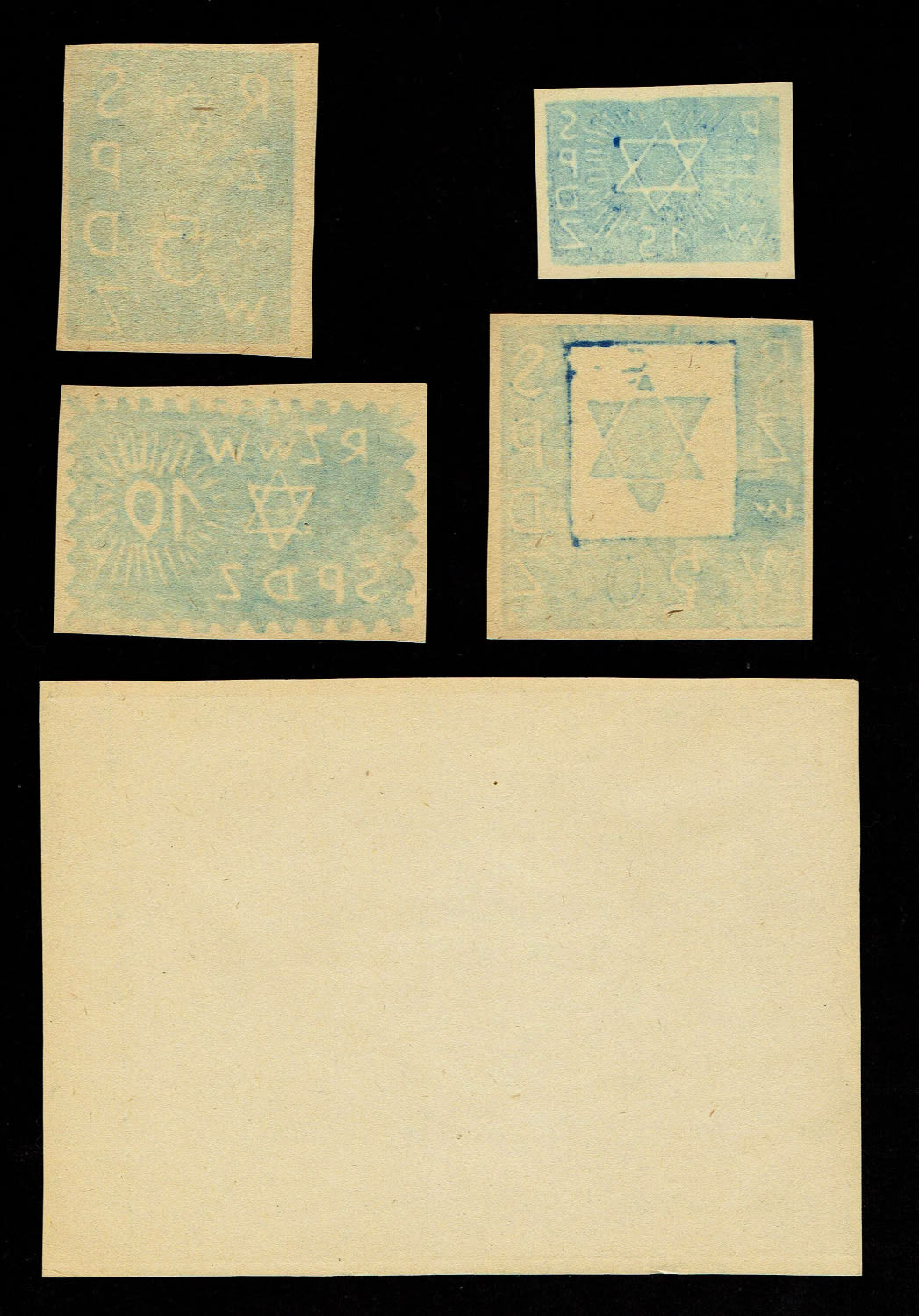
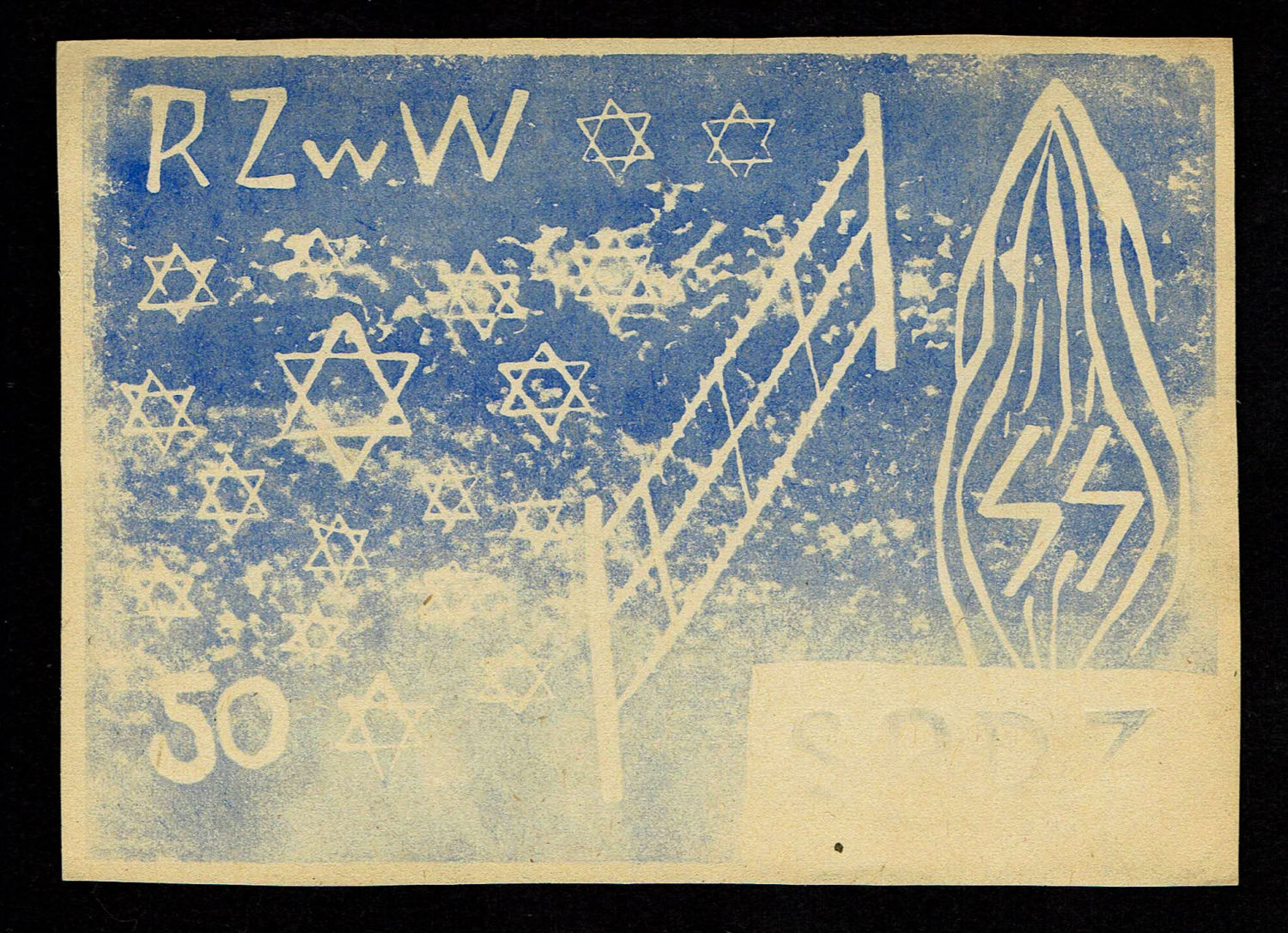
Holocaust concentration camps money - Poland - Warsaw, banknote set of ghetto warsaw. One of the rarest items in the sale. Full banknote set of 6 notes in denominations of 5, 10, 15, 20, 25, 50 in excellent condition. The notes were issued just before the revolt began and therefore were not used. They are believed to be proofs designed by the resistance that never entered circulation. After their imprisonment in the ghettos, the Jews had all their money confiscated by the Nazis and given paper tokens. These were worthless outside the walls of the ghetto and were designed to discourage escape. These particular examples were printed on linoleum and bear the initials of the SZDP (the Jewish postal service) and the RZzW (the council elected to run the ghetto). The 50 groszy note features a breathtaking piece of symbolism. The flame on the right symbolises the SS, while on the left a number of stars of David are seen separated by a fence. On January 18, 1943, following months of deportations to concentration and death camps, the residents of the ghetto rose up in armed resistance. The fighting went on for around four months and ended with the systematic eradication of the ghetto and the vast majority of the people living there. 50-100 sets were discovered in the 1950s, and since then they have been sold to collectors at auctions. To this day, there is debate about their originality, and collectors tend to come back and forth.
 Israel
 הביטחון 6, פתח תקווה.
